






The moisture vapor transmission rate (MVTR) of insulation crepe paper is a critical factor that significantly impacts its performance and suitability for various applications. As a supplier of insulation crepe paper, understanding the MVTR and its implications is essential for providing high - quality products to our customers.
What is Moisture Vapor Transmission Rate?
The moisture vapor transmission rate is defined as the quantity of water vapor that passes through a unit area of a material in a given time under specific temperature and humidity conditions. It is typically expressed in units such as grams per square meter per 24 hours (g/m²/24h). For insulation crepe paper, the MVTR indicates how well the paper can resist the passage of water vapor.
Several factors influence the MVTR of insulation crepe paper. One of the primary factors is the paper's composition. Different types of fibers used in the paper can have varying levels of moisture absorption and permeability. For example, papers made from natural fibers like wood pulp may have different MVTR characteristics compared to those made from synthetic fibers. The density of the paper also plays a role. A denser paper generally has a lower MVTR because there are fewer pores and pathways for water vapor to pass through.
Importance of MVTR in Insulation Crepe Paper
In the context of insulation, moisture can be extremely detrimental. When insulation crepe paper is used in electrical applications, such as in transformers, motors, or cables, the presence of moisture can lead to a decrease in the paper's dielectric strength. Dielectric strength is the ability of an insulating material to withstand an electric field without breaking down. As moisture penetrates the paper, it can conduct electricity, causing electrical leakage and potentially leading to short - circuits and equipment failure.


In addition, moisture can cause the paper to swell, which may result in mechanical stress on the insulation system. This stress can lead to delamination of the insulation layers, further compromising the integrity of the insulation. Therefore, a low MVTR is highly desirable for insulation crepe paper to ensure long - term reliability and performance of the electrical equipment.
Measuring the MVTR of Insulation Crepe Paper
There are several standard test methods available for measuring the MVTR of materials, including insulation crepe paper. One commonly used method is the cup method. In this method, a sample of the paper is placed over a cup containing a desiccant or a saturated salt solution. The cup is then sealed, and the assembly is placed in a controlled environment with a specific temperature and humidity. Over a period of time, the change in weight of the cup is measured. The MVTR is calculated based on the weight change, the area of the sample, and the time elapsed.
Another method is the use of a Permeation Cell. This device measures the rate of water vapor transmission through a sample under steady - state conditions. The sample is placed between two chambers with different humidity levels, and the flow of water vapor through the sample is measured using sensors.
Applications and MVTR Requirements
The required MVTR for insulation crepe paper varies depending on the application. In high - voltage electrical transformers, where the insulation must maintain its integrity for decades, a very low MVTR is essential. These transformers are often exposed to a wide range of environmental conditions, and even a small amount of moisture ingress can have a significant impact on their performance.
For low - voltage motors and household electrical appliances, the MVTR requirements may be less stringent, but still need to be within acceptable limits to ensure reliable operation. In some cases, the insulation crepe paper may be combined with other materials to enhance its moisture - barrier properties. For example, it can be laminated with a thin layer of plastic film to reduce the MVTR.
Our Products and MVTR
As a supplier of insulation crepe paper, we are committed to providing products with excellent MVTR characteristics. Our insulation crepe paper is carefully engineered to have a low MVTR, ensuring optimal performance in various applications. We use high - quality fibers and advanced manufacturing processes to control the density and structure of the paper, which in turn affects its moisture - vapor transmission properties.
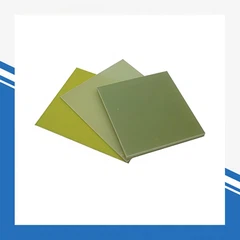
Our Flexible Paper PMP is a prime example of our high - performance insulation crepe paper. It has been tested and proven to have a low MVTR, making it suitable for demanding electrical insulation applications. The paper is flexible, easy to handle, and provides excellent dielectric properties in addition to its moisture - resistant capabilities.
Another product in our portfolio is Compressed and Laminated Wood. Although it is a different type of insulation material, it also has specific MVTR requirements, and we ensure that it meets the necessary standards. The compression and lamination processes used in its production help to reduce the porosity of the material, resulting in a lower MVTR.
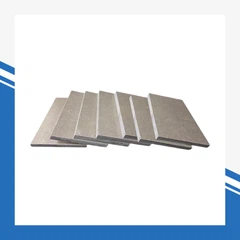
Our Electrical Steel Plate is often used in combination with insulation crepe paper in transformer cores. While the steel plate itself is not directly related to the MVTR of the insulation paper, the overall insulation system's performance is affected by the interaction between the two materials. Our steel plates are of high quality, which helps to create a stable environment for the insulation crepe paper, further enhancing the overall performance of the transformer.
Quality Control and Assurance
We have a rigorous quality control system in place to ensure that our insulation crepe paper meets the specified MVTR requirements. Every batch of paper is tested using industry - standard methods before it is released for sale. Our testing facilities are equipped with state - of - the - art equipment to accurately measure the MVTR and other important properties of the paper.
In addition to in - house testing, we also work closely with independent third - party laboratories to validate the performance of our products. This helps to build trust with our customers and ensures that our insulation crepe paper meets or exceeds the industry standards.
Conclusion
The moisture vapor transmission rate of insulation crepe paper is a crucial parameter that affects its performance in electrical insulation applications. A low MVTR is essential for maintaining the dielectric strength and mechanical integrity of the insulation system over time. As a supplier, we are dedicated to producing insulation crepe paper with excellent MVTR characteristics through careful material selection, advanced manufacturing processes, and strict quality control.
If you are in the market for high - quality insulation crepe paper with optimal MVTR properties, we invite you to contact us for a detailed discussion about your specific requirements. Our team of experts is ready to assist you in finding the best insulation solution for your needs.
References
- ASTM International. Standard Test Methods for Water Vapor Transmission of Materials.
- International Electrotechnical Commission (IEC). Standards related to electrical insulation materials.
- Technical literature on insulation materials from leading industry manufacturers.