







Who Is Weshare? The Supplier Behind This Guide
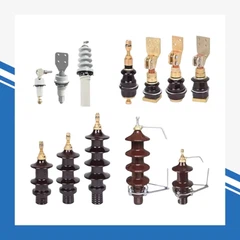
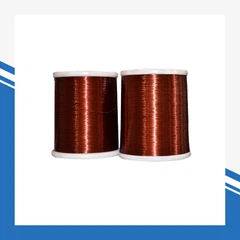
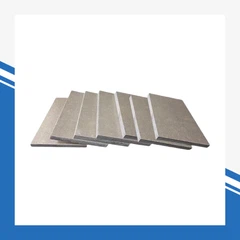
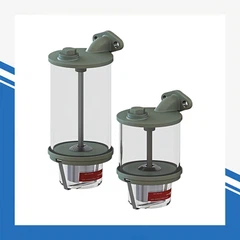
This guide is written by the engineers and sourcing specialists of Hangzhou Weshare Import & Export Co., Ltd. (Weshare), a transformer-focused manufacturer and exporter founded in 2005. For more than 20 years we have supplied grain-oriented and non-oriented silicon steel sheets, EI and amorphous transformer cores, and the complete range of insulation materials and components that go into a transformer - insulation paper, pressboard, DDP/DMD composites, mica, bushings, tap changers and winding materials. About 85% of our output is exported, serving more than 1,000 customers across 100+ countries in East Asia, Northern Europe, the Middle East, South America, Egypt and East Africa.
Because we sit at the meeting point of steel sourcing, core manufacturing and insulation supply, we see every day how grain structure decisions ripple into transformer core loss, noise and total cost. Our core-system products are specifically engineered to cut no-load loss, raise energy efficiency and support low-noise transformer designs.
Established: 2005, Hangzhou, China
Focus: Silicon steel sheets, transformer cores and insulation materials - one-stop supply for transformer manufacturers
Export share: ~85%, to customers in more than 100 countries
Quality: ISO9001, UL and SGS aligned; testing cooperation with a Zhejiang University laboratory
Responsiveness: Time & Action calendar within 1 day after PO; corrective action plan (CAP) within 12 hours

1. Initial Material Selection and Melting
The journey of silicon steel sheet manufacturing begins with the careful selection of raw materials. High - purity iron and silicon are the primary components. The silicon content typically ranges from 0.5% to 6.5%, and this percentage plays a crucial role in determining the final properties of the steel. During the melting process, the raw materials are heated in a furnace to extremely high temperatures. The precise control of temperature and the addition of alloying elements are essential. For example, the presence of small amounts of other elements like aluminum can further modify the grain growth behavior.
The melting process is not just about reaching the right temperature. It also involves creating a homogeneous mixture of the elements. Any inhomogeneities in the molten metal can lead to uneven grain growth later on. Once the metal is fully melted and well - mixed, it is cast into slabs. The casting process is another critical step. The cooling rate during casting affects the initial grain size. A faster cooling rate generally results in smaller grains, while a slower cooling rate allows for larger grain growth.
2. Hot Rolling
Hot rolling is a key stage in the manufacturing process that has a profound impact on the grain structure of silicon steel sheets. The cast slabs are reheated and passed through a series of rolling mills. During hot rolling, the steel is deformed at high temperatures, usually above the recrystallization temperature. This deformation causes the grains to elongate in the rolling direction.
The reduction ratio in hot rolling, which is the ratio of the initial thickness to the final thickness of the sheet, is an important parameter. A higher reduction ratio leads to more severe deformation of the grains. As the steel passes through the rolling mills, the grains are flattened and stretched, creating a texture in the material. This texture can be either oriented or non - oriented, depending on the manufacturing requirements.
For Non Oriented Silicon Steel Sheet, the goal is to have a relatively random grain orientation. This is achieved by carefully controlling the rolling parameters such as the rolling speed, temperature, and the number of passes. Non - oriented silicon steel sheets are commonly used in applications where magnetic properties are required in multiple directions, such as in electric motors.
3. Cold Rolling
After hot rolling, the steel sheets often undergo cold rolling. Cold rolling is carried out at room temperature or slightly above it. This process further refines the grain structure and improves the surface finish of the sheets. During cold rolling, the grains are further deformed, and the sheet thickness is reduced to the desired value.
Cold rolling can introduce a high level of strain into the material. This strain energy stored in the grains can act as a driving force for recrystallization during subsequent heat treatment. The amount of cold work, which is determined by the reduction in thickness during cold rolling, affects the recrystallization behavior. A higher amount of cold work generally leads to a finer grain size after recrystallization.
4. Annealing
Annealing is a heat treatment process that is crucial for controlling the grain structure of silicon steel sheets. After cold rolling, the steel sheets are annealed to relieve the internal stresses introduced during cold working and to promote recrystallization. The annealing temperature and time are carefully controlled to achieve the desired grain size and orientation.
For grain - oriented silicon steel, a special annealing process is used to develop a highly oriented grain structure. This involves a two - step annealing process. The first step is a primary recrystallization annealing, which forms small, randomly oriented grains. The second step is a secondary recrystallization annealing, where a specific texture is developed. This highly oriented grain structure gives grain - oriented silicon steel excellent magnetic properties in the rolling direction, making it ideal for use in transformers.
In contrast, for non - oriented silicon steel, the annealing process is designed to maintain a relatively random grain orientation. The annealing parameters are adjusted to ensure that the grains do not develop a strong preferred orientation. This allows the steel to have similar magnetic properties in different directions.
5. Surface Coating
Surface coating is another important aspect of the manufacturing process that can indirectly affect the grain structure. A thin coating is applied to the surface of the silicon steel sheets to reduce eddy current losses. The coating process involves depositing a layer of insulating material on the surface of the sheet.
The coating can act as a barrier during heat treatment, affecting the diffusion of elements and the growth of grains near the surface. A well - applied coating can also protect the steel from oxidation and corrosion, which can otherwise damage the grain structure over time.
Impact on Electrical and Magnetic Properties
The grain structure of silicon steel sheets has a direct impact on their electrical and magnetic properties. In grain - oriented silicon steel, the highly oriented grain structure allows for a low magnetic reluctance in the rolling direction. This results in lower core losses and higher magnetic permeability, making it suitable for high - efficiency transformers.
On the other hand, Non Oriented Silicon Steel Sheet with a random grain orientation provides more uniform magnetic properties in all directions. This is beneficial for applications such as electric motors, where the magnetic field changes direction during operation.

Applications
Silicon steel sheets are widely used in various electrical applications. Amorphous Core for Motor is an alternative to traditional silicon steel cores in some motor applications. Amorphous metals have a disordered atomic structure, which can offer lower core losses compared to silicon steel in certain situations. However, silicon steel still remains a popular choice due to its cost - effectiveness and well - understood manufacturing processes.
EI Electrical Steel is a type of grain - oriented silicon steel that is commonly used in transformers. Its highly oriented grain structure allows for efficient magnetic flux transfer, reducing energy losses during the operation of the transformer.
What Buyers of Silicon Steel Really Struggle With
Knowing that grain structure decides core loss is one thing; finding a supply partner who can guarantee it on every batch is another. In daily sourcing conversations, transformer and motor manufacturers tell us the same pain points again and again:
Inconsistent performance between batches. Steel of the "same grade" from different suppliers - or from different coils of the same supplier - arrives with noticeably different core loss, permeability and magnetostriction. That forces manufacturers to re-test, re-grade or even scrap production runs.
Material data you cannot trust or verify. The quotation promises a grade, but the shipment lacks reliable mill certificates or test reports for core loss (e.g. P1.7/50), permeability, coating type, or thickness tolerance against IEC, GB or ASTM standards.
Burrs and edge damage from processing. Poor slitting and shearing create burrs that short-circuit adjacent laminations. The damage only becomes visible later - as hot spots, higher no-load loss and audible noise - after the core is already stacked and the transformer assembled.
The wrong grade, gauge or coating for the design. Grain-oriented vs non-oriented, 0.23 mm vs 0.35 mm, C-2 vs C-5 coating, laser-scribed or not: choosing the wrong combination quietly raises no-load loss and noise or lowers the stacking factor, and the mistake is expensive to correct at the prototype stage.
Scattered suppliers and divided accountability. When the steel comes from one vendor, the cutting from another and the insulation from a third, a quality problem becomes a blame game - and mismatched lead times stall the entire transformer production line.
Slow engineering response. When a coil underperforms or a new transformer design demands a lower-loss grade, waiting weeks for a corrective action plan stops production and delays project delivery.
How Weshare Turns These Challenges into Guaranteed Outcomes
| Your pain point | How Weshare solves it |
|---|---|
| Inconsistent performance between batches | Vertical supply setup with stable, certified steel sources and incoming inspection on every coil; material traceability from mill to finished lamination, so one grade performs the same in June as it did in January. |
| Material data you cannot verify | Grade, core-loss, permeability and coating data supplied with every order on request; ISO9001, UL and SGS aligned quality system, with test verification supported by our Zhejiang University laboratory cooperation. |
| Burrs and edge damage in processing | Precision slitting and shearing with burr-controlled tooling and edge inspection, so laminations stack cleanly without interlaminar short circuits, hot spots or added noise. |
| Wrong grade, gauge or coating choice | 20+ years of application engineering helps you select the right grain-oriented or non-oriented grade, gauge and coating for your no-load loss, flux density and noise targets - before you commit to production. |
| Scattered suppliers and divided accountability | One-stop supply of silicon steel sheets, EI/amorphous cores, insulation paper, pressboard, DMD/DDP and winding materials from a single accountable partner, with coordinated lead times across your whole core-and-insulation package. |
| Slow engineering response | Time & Action calendar issued within 1 day of your PO, corrective action plans within 12 hours, and lifecycle technical support including failure analysis and material alternatives. |
Why Transformer Manufacturers Choose Weshare
Beyond the silicon steel itself, customers stay with Weshare because the supply relationship is built like a component partnership, not a spot transaction:
One-stop sourcing. Core, insulation, winding and assembly materials supplied from one source - fewer vendors to audit, fewer interfaces to manage, and one party accountable for the result.
Co-development and customization. From drawing to finished product, our engineers work beside yours on material selection, design optimization and prototyping.
Engineering depth with commercial speed. 12% of profit is reinvested in R&D, and our team carries two decades of transformer-component experience, with reference cooperation including ABB (Hitachi).
Transparent manufacturing access. Virtual or on-site factory tours give you full visibility of our processes and quality control before you commit.
Whether your project is a distribution transformer chasing lower no-load loss, an electric motor needing isotropic magnetic performance, or a specialty core for a new design, the right grain structure starts with the right supply partner - one who understands what the microstructure means for your finished product.
Conclusion
The manufacturing process of silicon steel sheets is a multi - step process that carefully controls the grain structure to achieve the desired electrical and magnetic properties. From the initial material selection to the final surface coating, each step plays a crucial role in shaping the grain structure. As a supplier of silicon steel sheets, we understand the importance of these processes and strive to provide high - quality products that meet the specific needs of our customers.
If you are in the market for silicon steel sheets - whether for transformers, motors or other electrical applications, or as part of a full core-and-insulation package - we invite you to reach out to us for a detailed discussion. Send us your core-loss target, your lamination dimensions or simply your drawing, and our team of experts will help you select the right silicon steel sheet and supporting materials for your specific requirements within one working day.
Contact Weshare
Email: tongchao@weshare-china.com
WhatsApp: +86 186 5882 7883
Explore more: Silicon Steel Sheets · Transformer Cores · About Weshare
We look forward to the opportunity to work with you and contribute to the success of your projects.
References
Smith, J. (2018). "The Science of Silicon Steel Manufacturing". Metallurgical Journal, 45(2), 123 - 135.
Johnson, A. (2019). "Grain Structure and Magnetic Properties of Silicon Steel". Electrical Engineering Review, 60(3), 78 - 89.
Brown, C. (2020). "Advances in Silicon Steel Manufacturing Processes". Manufacturing Technology Today, 32(4), 56 - 67.