






Hey there! I'm a supplier of transformer cores, and I've been thinking a lot about the limitations of these crucial components. In this blog post, I'll share some insights on how we can overcome those limitations and make our transformer cores even better.
Understanding the Limitations of Transformer Cores
First off, let's talk about what these limitations are. One of the major issues is energy loss. When a transformer is in operation, there are two main types of losses: hysteresis loss and eddy current loss. Hysteresis loss occurs because the magnetic material in the core has to be magnetized and demagnetized repeatedly. Eddy current loss, on the other hand, is caused by the induced currents in the core material. These losses not only waste energy but also generate heat, which can reduce the efficiency and lifespan of the transformer.
Another limitation is the size and weight of the transformer core. As the demand for more power increases, transformers need to be able to handle higher voltages and currents. This often leads to larger and heavier cores, which can be a problem in applications where space and weight are at a premium, like in electric vehicles or portable electronic devices.
Overcoming Energy Loss
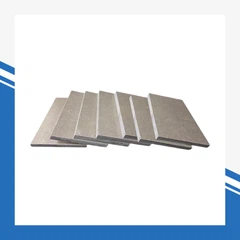
To tackle the issue of energy loss, we can start by using better core materials. For example, Electrical Steel Sheet is a popular choice because it has low hysteresis and eddy current losses. These sheets are made of silicon steel, which has excellent magnetic properties. By using high - grade electrical steel sheets, we can significantly reduce the energy wasted in the transformer core.
Another approach is to optimize the design of the core. The shape and structure of the core can have a big impact on its performance. For instance, a well - designed core can minimize the magnetic path length, which in turn reduces the hysteresis loss. Additionally, we can use laminations to reduce eddy current loss. Laminating the core means stacking thin sheets of the core material together with an insulating layer between each sheet. This breaks up the eddy currents and reduces their magnitude.
Addressing Size and Weight Constraints
When it comes to size and weight, we can look into new materials and manufacturing techniques. For example, Oil immersed transformer Silicon steel Plate can be used in oil - immersed transformers. These plates are designed to be more compact and efficient, which helps in reducing the overall size and weight of the transformer.
Advanced manufacturing processes like precision stamping and laser cutting can also be employed. These techniques allow for more accurate shaping of the core, which can lead to a more efficient use of the core material. By making the core more compact, we can save on space and weight without sacrificing performance.
Improving Thermal Management
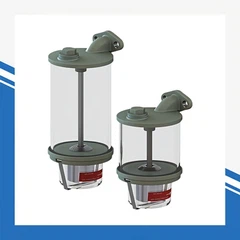
Heat is a big enemy of transformer cores. Excessive heat can degrade the performance of the core and reduce its lifespan. To overcome this limitation, we need to focus on thermal management. One way is to use oil - cooling systems. Oil - immersed transformers core are designed to be cooled by oil, which helps in dissipating the heat generated during operation.
We can also improve the ventilation design of the transformer. By ensuring proper air circulation around the core, we can prevent the build - up of heat. Additionally, using heat - resistant materials in the core construction can enhance its ability to withstand high temperatures.
Enhancing Magnetic Properties
The magnetic properties of the core are crucial for its performance. To enhance these properties, we can use advanced magnetic materials and annealing processes. Annealing is a heat - treatment process that can improve the magnetic properties of the core material by reducing internal stresses and improving the crystal structure.
We can also explore the use of new magnetic alloys. These alloys can offer better magnetic performance than traditional materials, which can lead to more efficient transformers.
Conclusion
In conclusion, while transformer cores have their limitations, there are several ways to overcome them. By using better materials, optimizing the design, improving thermal management, and enhancing magnetic properties, we can make transformer cores more efficient, compact, and reliable.
If you're in the market for high - quality transformer cores, I'd love to have a chat with you. Whether you're looking for Oil immersed transformer Silicon steel Plate, Electrical Steel Sheet, or Oil - immersed transformers core, I can provide you with the best solutions. Don't hesitate to reach out for a discussion about your specific needs.


References
- "Transformer Engineering: Design, Technology, and Diagnostics" by G. K. Dubey
- "Power Transformers: Principles and Applications" by John J. McPartland