







As a supplier of grade silicon steel sheets, I understand the crucial role these materials play in various electrical applications, especially in transformers. One of the most significant challenges in using silicon steel sheets is reducing magnetic loss. In this blog, I will share some effective ways to achieve this goal.


Understanding Magnetic Loss in Grade Silicon Steel Sheets
Before delving into the methods of reducing magnetic loss, it's essential to understand what magnetic loss is and why it occurs in grade silicon steel sheets. Magnetic loss, also known as core loss, consists of two main components: hysteresis loss and eddy current loss.
Hysteresis loss is caused by the reversal of magnetization in the steel sheet as the magnetic field changes. When the magnetic field alternates, the magnetic domains in the steel sheet realign, and this process dissipates energy in the form of heat. The hysteresis loss is proportional to the area of the hysteresis loop, which is a characteristic of the material's magnetic properties.
Eddy current loss, on the other hand, is due to the induction of circulating currents (eddy currents) in the steel sheet when it is exposed to a changing magnetic field. These eddy currents flow in closed loops within the sheet and generate heat, resulting in energy loss. The eddy current loss is proportional to the square of the frequency of the magnetic field, the thickness of the sheet, and the conductivity of the material.
Methods to Reduce Magnetic Loss
1. Select High - Quality Grade Silicon Steel Sheets
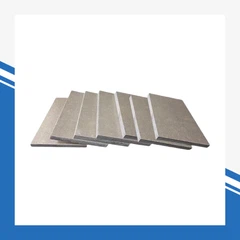
The quality of the silicon steel sheet is a fundamental factor in determining its magnetic loss. High - quality Grade Silicon Steel Plate usually has a lower carbon content, which reduces the hysteresis loss. The addition of silicon in the steel also plays a crucial role. Silicon increases the electrical resistivity of the steel, thereby reducing the eddy current loss.
For example, oriented silicon steel has a preferred grain orientation, which results in lower hysteresis loss compared to non - oriented silicon steel. When choosing silicon steel sheets, it's important to consider the specific requirements of the application. For transformers operating at high frequencies, oriented silicon steel is often a better choice.
2. Control the Thickness of the Sheets
As mentioned earlier, eddy current loss is proportional to the square of the thickness of the sheet. Therefore, reducing the thickness of the silicon steel sheet can significantly reduce the eddy current loss. Thinner sheets have less cross - sectional area for the eddy currents to flow, which in turn reduces the energy dissipated as heat.
However, reducing the thickness too much may increase the manufacturing cost and make the sheets more difficult to handle. A balance needs to be struck between the reduction of eddy current loss and the practicality of the manufacturing process. For most transformer applications, sheets with a thickness in the range of 0.23 - 0.35 mm are commonly used.
3. Improve the Surface Insulation
The surface insulation of silicon steel sheets is crucial for reducing eddy current loss. A good surface insulation layer can prevent the eddy currents from flowing between adjacent sheets, effectively reducing the overall eddy current loss.
There are several methods to improve the surface insulation. One common method is to coat the sheets with an insulating material, such as a thin layer of varnish or oxide. The insulating layer should have high electrical resistivity and good adhesion to the steel surface. Another method is to use a lamination process, where the sheets are stacked with an insulating layer between each sheet. This lamination structure further restricts the flow of eddy currents.
4. Optimize the Design of the Magnetic Circuit
The design of the magnetic circuit in which the silicon steel sheets are used also affects the magnetic loss. An optimized magnetic circuit can reduce the magnetic field intensity and the magnetic flux density, which in turn reduces the hysteresis and eddy current losses.
For example, in a transformer, the core design can be optimized to minimize the length of the magnetic path and reduce the magnetic leakage. The shape of the core, such as the use of an EI Core, can also affect the magnetic field distribution. By carefully designing the core shape and size, the magnetic loss can be effectively reduced.
5. Control the Operating Conditions
The operating conditions of the silicon steel sheets, such as the temperature and the frequency of the magnetic field, can also have a significant impact on the magnetic loss.
Higher temperatures can increase the electrical conductivity of the steel, which in turn increases the eddy current loss. Therefore, it's important to ensure proper cooling of the transformer or other electrical equipment using silicon steel sheets. On the other hand, the frequency of the magnetic field also affects the magnetic loss. As mentioned earlier, eddy current loss is proportional to the square of the frequency. For applications with high - frequency magnetic fields, special attention should be paid to reducing the eddy current loss.
Applications of Reducing Magnetic Loss in Different Types of Silicon Steel Sheets
1. EI Silicon Steels sheets
EI silicon steel sheets are widely used in small - to medium - sized transformers. By reducing the magnetic loss in these sheets, the efficiency of the transformers can be significantly improved. This is especially important for applications where energy efficiency is a key concern, such as in household appliances and small industrial equipment.
2. Non Oriented EI Sheet
Non - oriented EI sheets are used in applications where the magnetic field direction is not fixed, such as in electric motors. Reducing the magnetic loss in these sheets can improve the motor's efficiency and reduce the heat generation, which in turn can extend the motor's lifespan.
3. Oil immersed transformer Silicon steel Plate
In oil - immersed transformers, reducing the magnetic loss in the silicon steel plates is crucial for improving the overall efficiency of the transformer. Since oil - immersed transformers are often used in large - scale power transmission and distribution systems, even a small reduction in magnetic loss can result in significant energy savings.
Conclusion
Reducing the magnetic loss of grade silicon steel sheets is a complex but achievable goal. By selecting high - quality materials, controlling the thickness of the sheets, improving the surface insulation, optimizing the magnetic circuit design, and controlling the operating conditions, we can effectively reduce the magnetic loss and improve the efficiency of electrical equipment.
As a supplier of grade silicon steel sheets, I am committed to providing high - quality products and technical support to help our customers reduce magnetic loss and improve the performance of their electrical applications. If you are interested in purchasing grade silicon steel sheets or have any questions about reducing magnetic loss, please feel free to contact us for further discussion and procurement negotiation.
References
- "Magnetic Materials and Their Applications" by David Jiles.
- "Electrical Engineering Handbook" edited by Richard C. Dorf.
- Industry reports on silicon steel sheet manufacturing and applications.